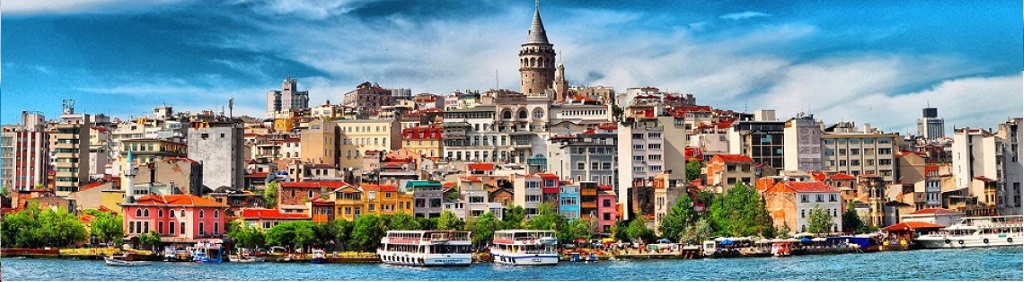
62nd ISTANBUL International Congress on Research in Chemical, Biological & Environmental Sciences (RCBES-26)




+91 9781001229, +66 62 601 8051, +351 920 619 073
+91 9781001229, +66 62 601 8051, +351 920 619 073
Covering the intersection of Chemical, Biological, and Environmental Sciences involves exploring how molecular processes drive living systems and how those systems interact with the Earth's natural cycles.
Here is a comprehensive breakdown of the key topics and subtopics within these interconnected fields. Full Articles/ Reviews/ Shorts Papers/ Abstracts are welcomed in the following research fields:
This area focuses on the composition, structure, and properties of matter and the changes it undergoes during reactions.
Analytical Chemistry
Spectroscopy (UV-Vis, NMR, Mass Spectrometry)
Chromatography (HPLC, GC)
Electrochemical Analysis
Organic & Inorganic Chemistry
Synthetic Methodology
Organometallic Chemistry
Polymer Science and Plastics
Coordination Compounds
Physical & Theoretical Chemistry
Chemical Thermodynamics
Reaction Kinetics and Catalysis
Quantum Chemistry and Molecular Modeling
Surface Chemistry
This field examines living organisms, from the microscopic level of the cell to the complexity of whole organ systems.
Molecular & Cellular Biology
Genetics and Genomics (DNA/RNA)
Proteomics and Protein Folding
Cell Signaling and Communication
Metabolic Pathways (Glycolysis, Krebs Cycle)
Microbiology & Immunology
Bacteriology and Virology
Pathogen-Host Interactions
Vaccine Development
Microbial Ecology
Biochemistry & Biophysics
Enzymology
Bioenergetics
Structural Biology
Biomolecular Engineering
This discipline looks at the physical, chemical, and biological conditions of the environment and their impact on organisms.
Environmental Chemistry
Atmospheric Chemistry (Ozone layer, Greenhouse gases)
Soil Chemistry and Nutrient Cycling
Water Quality and Hydrochemistry
Ecotoxicology (Heavy metals, Microplastics)
Ecology & Conservation
Biodiversity and Ecosystem Services
Population Dynamics
Restoration Ecology
Marine and Freshwater Biology
Climate Science & Sustainability
Climate Change Modeling
Renewable Energy Systems (Biofuels, Solar)
Carbon Sequestration
Waste Management and Circular Economy
These subtopics bridge the gap between the three main pillars to solve real-world problems.
Biotechnology & Bioengineering
CRISPR and Gene Editing
Bioremediation (Using microbes to clean pollution)
Biomaterials for Medicine
Pharmacology & Toxicology
Drug Design and Discovery
Pharmacokinetics
Chemical Safety and Risk Assessment
Green Chemistry
Sustainable Synthesis
Atom Economy
Biodegradable Materials
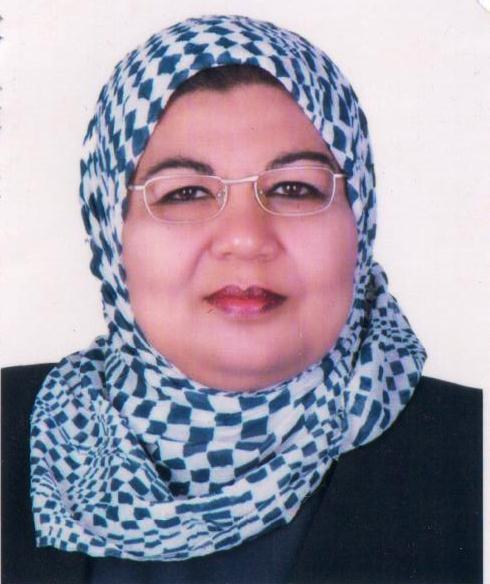
Prof. Samia M. Sanad
Prof. Dr. Nuno Alexandre Soares Domingues
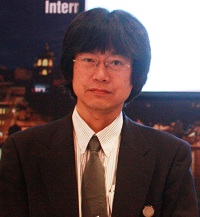
Prof. Dr. Kazuaki Maeda,
Assist. Prof. Dr. Hemantkumar P. Bulsara
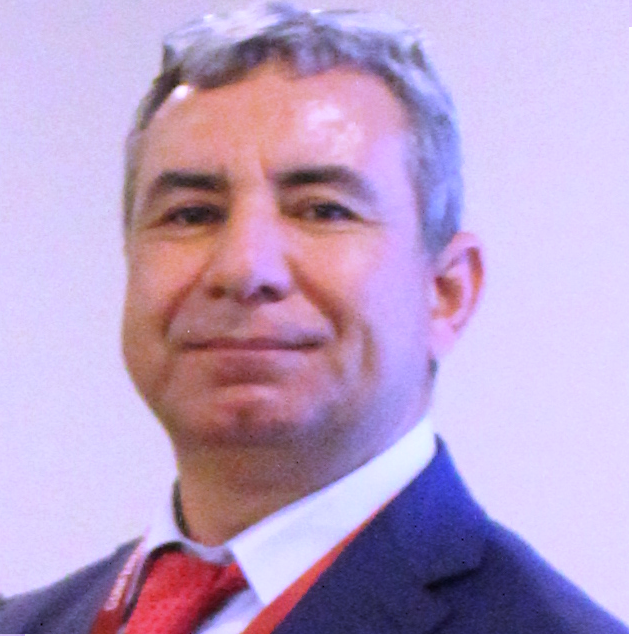
Prof. Dr. Bulent TOPCUOGLU

Prof.(Dr.) Rajesh Singh Tomar