65th PRAGUE International Conference on Biological & Biomedical Sciences (PBBS-26)




+91 9781001229, +66 62 601 8051, +351 920 619 073
+91 9781001229, +66 62 601 8051, +351 920 619 073
Full Articles/ Reviews/ Shorts Papers/ Abstracts are welcomed in the following research fields:
This area focuses on the "building blocks" of life and the chemical processes that keep organisms running.
Biochemistry: Enzymology, Metabolism (Glycolysis, Krebs Cycle), Protein Folding, Bioenergetics.
Cell Biology: Organelle Function, Cell Signaling, Membrane Transport, Cell Cycle/Mitosis, Autophagy.
Molecular Biology: DNA Replication, Transcription & Translation, RNA Interference, Gene Editing (CRISPR).
Structural Biology: X-ray Crystallography, Cryo-electron Microscopy, Protein-Ligand Interactions.
This covers how traits are passed down and how life changes over vast periods of time.
Classical Genetics: Mendelian Inheritance, Linkage mapping, Pedigree analysis.
Genomics & Epigenetics: Whole-genome Sequencing, DNA Methylation, Histone Modification.
Evolutionary Biology: Natural Selection, Speciation, Phylogenetics, Population Genetics.
Developmental Biology: Embryogenesis, Stem Cell Differentiation, Organogenesis, Regeneration.
The primary focus of pre-medical and biomedical studies, looking at how the body functions as a system.
Anatomy: Gross Anatomy, Histology (Tissue study), Neuroanatomy.
Systemic Physiology: Cardiovascular, Respiratory, Renal, Endocrine, and Digestive systems.
Neuroscience: Neurophysiology, Cognitive Neuroscience, Synaptic Plasticity, Neurodegenerative Diseases.
Immunology: Innate vs. Adaptive Immunity, Vaccine Development, Autoimmunity, Immunotherapy.
The study of microscopic organisms and their impact—both positive and negative—on larger hosts.
Bacteriology: Bacterial Pathogenesis, Antibiotic Resistance, Microbiome studies.
Virology: Viral Replication, Epidemiology, Zoonotic Diseases (e.g., COVID-19, Influenza).
Mycology & Parasitology: Fungal Infections, Protozoology, Helminthology (Worms).
Pathology: Mechanisms of Disease, Histopathology, Oncology (Cancer Biology).
The study of how external substances interact with biological systems.
Pharmacodynamics: How drugs affect the body (receptors and signaling).
Pharmacokinetics: How the body affects drugs (Absorption, Distribution, Metabolism, Excretion).
Toxicology: Environmental Toxins, Forensic Toxicology, Dose-Response Relationships.
Drug Discovery: Rational Drug Design, Clinical Trials, Pharmacogenomics.
These topics shift focus away from human medicine and toward the broader natural world.
Ecology: Community Dynamics, Conservation Biology, Ecosystem Services, Climate Change Impact.
Botany (Plant Sciences): Photosynthesis, Plant Physiology, Ethnobotany, Agriculture/GMOs.
Zoology: Animal Behavior (Ethology), Marine Biology, Comparative Anatomy.
Astrobiology: The study of the origins of life and the potential for life on other planets.
The "toolset" of modern biology, involving data, engineering, and technology.
Bioinformatics: Sequence Alignment, Computational Modeling, Big Data in Biology.
Biostatistics: Experimental Design, Population Modeling, Clinical Data Analysis.
Biotechnology: Synthetic Biology, Bioprocess Engineering, Recombinant DNA Technology.
Bioengineering: Prosthetics, Tissue Engineering, Medical Imaging Technology.
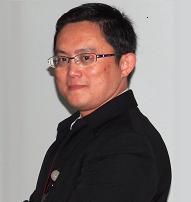
Dr. Y. Thaweesak
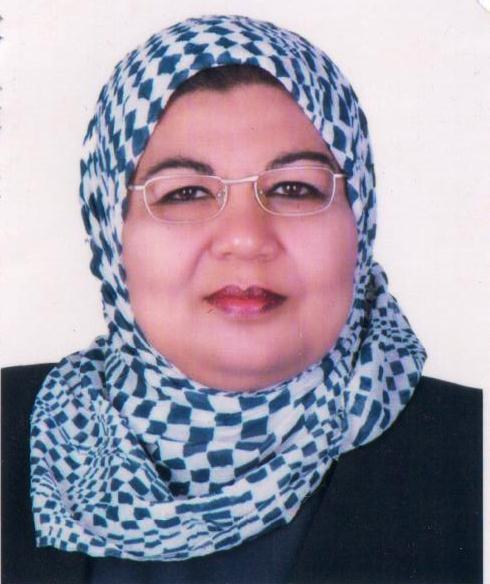
Prof. Samia M. Sanad
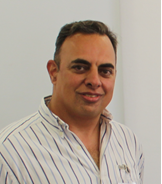
Prof. Dr. Nuno Alexandre Soares Domingues
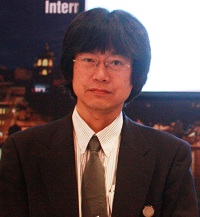
Prof. Dr. Kazuaki Maeda,
Assist. Prof. Dr. Hemantkumar P. Bulsara
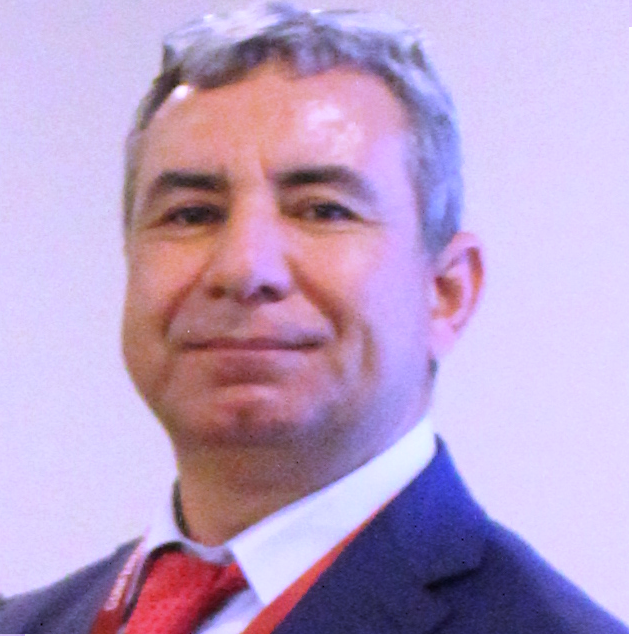
Prof. Dr. Bulent TOPCUOGLU

Prof.(Dr.) Rajesh Singh Tomar