4th BARCELONA World Congress on Organic Agriculture, Food Security and Public Health: BOAFSH-26




+91 9781001229, +66 62 601 8051, +351 920 619 073
+91 9781001229, +66 62 601 8051, +351 920 619 073
Full Articles/ Reviews/ Shorts Papers/ Abstracts are welcomed in the following research fields:
Soil Health and Management: Composting, green manures, and the prohibition of synthetic fertilizers.
Pest and Disease Control: Biological control, crop rotation, and the use of botanical pesticides.
Livestock Standards: Organic feed requirements, animal welfare, and the avoidance of routine antibiotics/hormones.
Certification and Regulation: International standards (IFOAM, USDA Organic, EU Organic) and the "Transition Period" for farms.
Agroecology: The application of ecological principles to the design of farming systems.
The Four Dimensions:
Availability: Physical presence of food via production or trade.
Access: Economic and physical ability to obtain food.
Utilization: How the body uses nutrients (linked to sanitation and health).
Stability: Consistency of the other three dimensions over time.
Food Sovereignty: The right of peoples to healthy and culturally appropriate food produced through sustainable methods.
Supply Chain Logistics: Post-harvest loss, storage technology, and distribution networks.
Nutritional Epidemiology: The study of how diet influences chronic and infectious diseases.
Toxicology: Effects of chemical exposure (pesticides, heavy metals) on human biology.
Environmental Health: Impact of air and water quality on community well-being.
Metabolic Health: Trends in obesity, diabetes, and micronutrient deficiencies (Malnutrition).
Yield Stability in Extreme Weather: How organic soils better handle drought and flooding compared to conventional soils.
Local Food Systems: The role of organic "Farm-to-Table" models in reducing dependence on global imports.
Input Independence: Organic farming reduces farmer debt by eliminating the need for expensive synthetic chemicals.
Biodiversity and Resilience: Using polycultures to prevent total crop failure (vs. conventional monocropping).
The "Pesticide Burden": Reduction of neurodevelopmental and endocrine-disrupting risks for farmworkers and consumers.
Antibiotic Resistance (AMR): How organic livestock farming helps mitigate the rise of "superbugs" by banning sub-therapeutic antibiotic use.
Nutrient Density: Comparative studies on antioxidant levels (polyphenols) and Omega-3 fatty acids in organic vs. conventional products.
Gut Microbiome: The link between soil microbial diversity in organic farming and human digestive health.
The Hidden Hunger: Addressing "Micronutrient Deficiencies" (Vitamin A, Iron, Iodine) even when caloric intake is sufficient.
Food Safety and Sanitation: Prevention of foodborne illnesses (Salmonella, E. coli) within the supply chain.
Urban Food Deserts: The public health impact of lack of access to fresh produce in low-income urban areas.
Diet-Related Non-Communicable Diseases (NCDs): The correlation between food insecurity and the consumption of ultra-processed, calorie-dense foods.
Climate Change Mitigation: Carbon sequestration in organic soils as a tool for long-term food stability.
Policy and Governance: Government subsidies (shifting from chemical to regenerative practices) and international trade laws.
Circular Economy: Upcycling food waste into organic fertilizers to close the nutrient loop.
Ethical Consumption: Consumer behavior, labeling psychology, and the "Value-Action" gap in purchasing healthy food.

Dr. Y. Thaweesak

Prof. Dr. Nuno Alexandre Soares Domingues
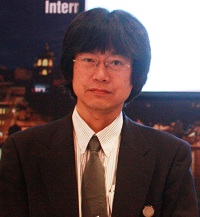
Prof. Dr. Kazuaki Maeda,

Assist. Prof. Dr. Hemantkumar P. Bulsara

Prof. Dr. Bulent TOPCUOGLU

Prof.(Dr.) Rajesh Singh Tomar
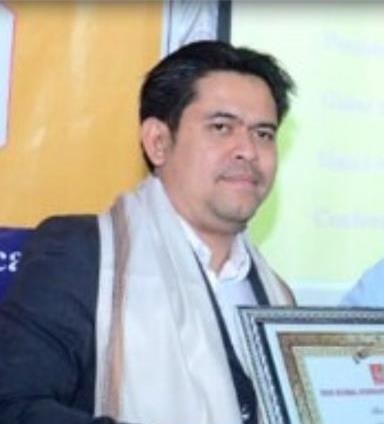
Tosaporn Mahamud.,Ph.D