ISTANBUL 5th World Congress on Organic Agriculture, Food Security and Public Health: IOAFSH-26




+91 9781001229, +66 62 601 8051, +351 920 619 073
+91 9781001229, +66 62 601 8051, +351 920 619 073
Full Articles/ Reviews/ Shorts Papers/ Abstracts are welcomed in the following research fields:
This theme focuses on the production methods and the ecological philosophy of farming without synthetic inputs.
Principles of Organic Production
Soil health and "Living Soil" (mycorrhizal fungi and microbial activity)
Biodiversity and polyculture vs. monoculture
Closed-loop nutrient cycling and composting
Pest and Disease Management
Biological control agents (beneficial insects)
Crop rotation and companion planting
Mechanical and physical weed control
Standards and Certification
The IFOAM international framework
The transition period (the economic gap between conventional and organic status)
Participatory Guarantee Systems (PGS) for smallholders
This theme addresses the availability, access, and stability of food supplies at local and global scales.
The Four Pillars of Food Security
Availability (physical supply)
Access (economic and physical)
Utilization (nutritional quality and safety)
Stability (resilience to shocks)
Economic Accessibility
The "Organic Premium" and the price gap for low-income consumers
Local food hubs and Community Supported Agriculture (CSA)
The impact of global commodity prices on local food security
Food Sovereignty
Right to seeds and the prevention of seed monopolies
Traditional ecological knowledge (TEK) in indigenous farming
Small-scale farmer empowerment vs. industrial agribusiness
This theme covers the direct impact of food systems on the human body and the broader environment.
Nutritional Quality
Phytonutrient density (antioxidants, polyphenols)
Omega-3 fatty acid profiles in organic meat and dairy
Micronutrient bioavailability in mineral-rich soils
Toxicology and Exposure
Pesticide residue levels and endocrine disruption
Antibiotic resistance (AMR) in livestock management
Heavy metal accumulation (e.g., Cadmium levels in synthetic vs. organic soils)
Epidemiology of Diet
The link between ultra-processed foods and non-communicable diseases (NCDs)
Impact of organic diets on pregnancy and early childhood development
Occupational health for farmworkers (exposure reduction)
These subtopics represent the "glue" where all three primary fields overlap.
Environmental Health (One Health Approach)
Water quality: Preventing nitrogen runoff and "dead zones" in oceans
Carbon sequestration: The role of organic soils in climate change mitigation
Pollinator health and its direct link to the survival of nutrient-dense crops
Climate Resilience
Drought resistance of organic soils (increased water-holding capacity)
Adaptation strategies for smallholder farmers under extreme weather
Policy and Governance
Subsidies: Shifting from yield-based incentives to ecosystem-service incentives
Urban agriculture: Integrating food production into city public health planning
The "True Cost of Food": Accounting for environmental and health externalities in food pricing

Dr. Y. Thaweesak

Prof. Dr. Nuno Alexandre Soares Domingues
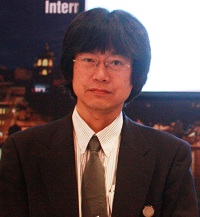
Prof. Dr. Kazuaki Maeda,

Assist. Prof. Dr. Hemantkumar P. Bulsara
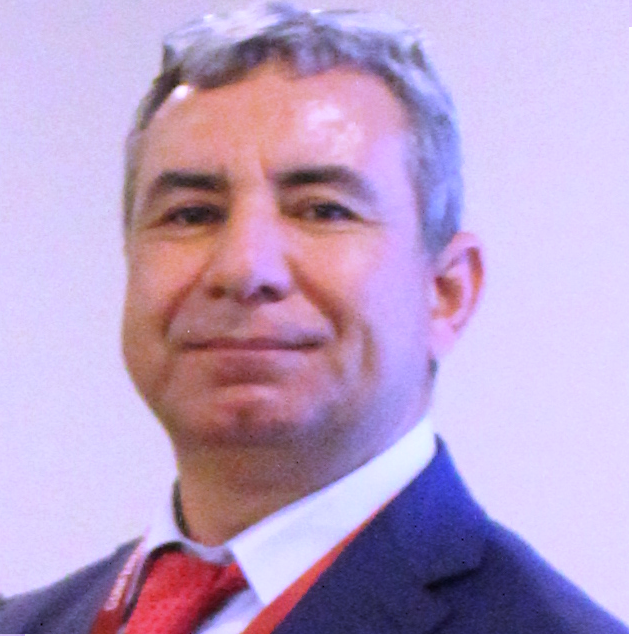
Prof. Dr. Bulent TOPCUOGLU

Prof.(Dr.) Rajesh Singh Tomar