VIENNA 3rd International Conference on Sustainable Agriculture, Biodiversity & Waste Management: SABWM-27




+91 9781001229, +66 62 601 8051, +351 920 619 073
+91 9781001229, +66 62 601 8051, +351 920 619 073
Full Articles/ Reviews/ Shorts Papers/ Abstracts are welcomed in the following research fields:
Agroecological Farming Practices
Crop rotation and diversification
Organic farming standards and certification
Permaculture design principles
Conservation tillage and no-till farming
Sustainable Water Management
Drip irrigation and micro-sprinklers
Rainwater harvesting in agriculture
Soil moisture conservation techniques
Plant Nutrition and Soil Health
Green manures and cover cropping
Natural nitrogen fixation
Biofertilizers and microbial inoculants
Ecosystem Dynamics and Species Conservation
Endangered species recovery plans
In-situ vs. ex-situ conservation (zoos, seed banks)
Wildlife corridors and habitat fragmentation
Invasive species management
Genetic Diversity
Landraces and heirloom crop varieties
Wild relatives of domesticated species
Genetic bottlenecks and mutational meltdown
Ecosystem Services
Provisioning services (food, clean water)
Regulating services (climate regulation, flood control)
Cultural services (recreation, spiritual value)
Municipal and Industrial Waste Infrastructure
Sanitary landfill design and engineering
Incineration and waste-to-energy (WtE) technologies
Material recovery facilities (MRFs)
Hazardous and electronic waste (e-waste) handling
The Circular Economy Framework
Extended Producer Responsibility (EPR)
Eco-design and product longevity
The 5 R's: Refuse, Reduce, Reuse, Repurpose, Recycle
Microplastics and Chemical Waste
Plastic degradation and marine accumulation
Persistent Organic Pollutants (POPs)
Industrial effluent treatment
Agrobiodiversity and Resilience
Preserving pollinator habitats (bees, butterflies, bats) within farmlands
Utilizing push-pull technology for natural pest control
Maintaining soil biodiversity (mycorrhizal fungi, earthworms, macro-organisms)
Landscape-Scale Integration
Agroforestry (silvopasture and alley cropping)
Riparian buffers to protect aquatic ecosystems from agricultural runoff
Hedgerows as wildlife sanctuaries in monoculture landscapes
Agricultural Biomass and Nutrient Cycling
On-farm composting of crop residues and livestock manure
Anaerobic digestion of agricultural waste for biogas production
Biochar production from crop residues for soil amendment
Mitigation of Agricultural Pollution
Managing plastic mulch film waste (biodegradable alternatives)
Reducing food loss during harvest and post-harvest storage
Safe disposal and containment of pesticide rinsate
Pollution Impacts on Ecosystems
Ecotoxicology of heavy metals and plastics on wildlife
Eutrophication of aquatic habitats due to poorly managed organic waste
Entanglement and ingestion of marine debris by wildlife
Waste Sites as Altered Habitats
Landfills as artificial feeding grounds for opportunistic species (and resulting ecological traps)
Phytoremediation using native plants to clean up contaminated brownfields
Impact of leachate leakage on terrestrial and subterranean biodiversity
Regenerative Food Systems and Urban Ecology
Urban agriculture utilizing municipal organic compost to enhance city biodiversity
Closing the metabolic rift by returning urban food waste nutrients back to rural agricultural soils
Policy, Economics, and Global Frameworks
The role of subsidies (shifting from chemical inputs to biodiversity protection and waste reduction)
Life Cycle Assessments (LCA) of food production from seed to landfill
United Nations Sustainable Development Goals (SDGs) alignment (specifically SDG 2: Zero Hunger, SDG 12: Responsible Consumption, and SDG 15: Life on Land)
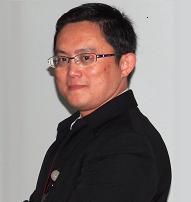
Dr. Y. Thaweesak
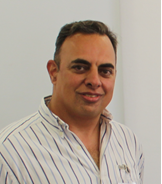
Prof. Dr. Nuno Alexandre Soares Domingues
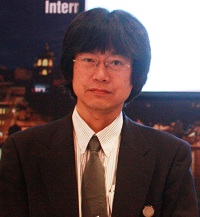
Prof. Dr. Kazuaki Maeda,
Assist. Prof. Dr. Hemantkumar P. Bulsara
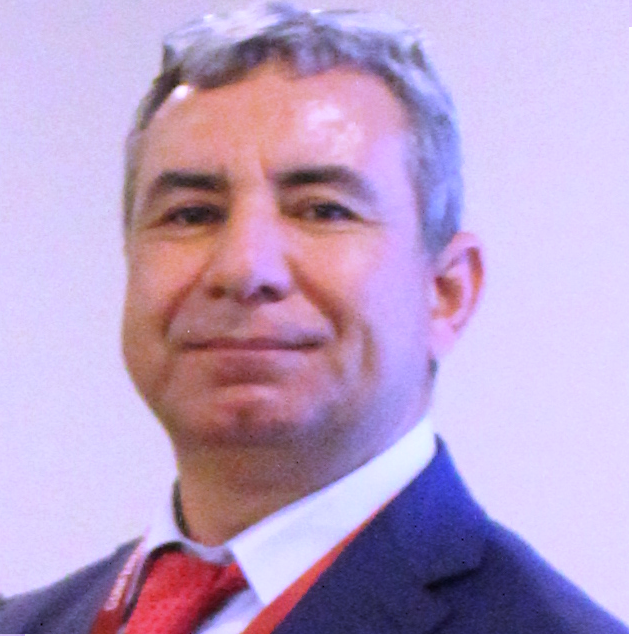
Prof. Dr. Bulent TOPCUOGLU

Prof.(Dr.) Rajesh Singh Tomar
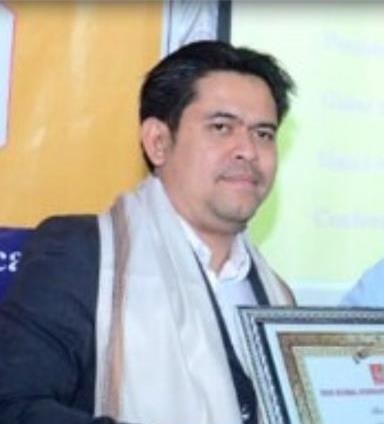
Tosaporn Mahamud.,Ph.D