LISBON 4th International Congress on Sustainable Agriculture, Biodiversity & Food Security: SABFS-27




+91 9781001229, +66 62 601 8051, +351 920 619 073
+91 9781001229, +66 62 601 8051, +351 920 619 073

Full Articles/ Reviews/ Shorts Papers/ Abstracts are welcomed in the following research fields:
Focuses on farming systems that mimic natural processes to maintain biological vitality and soil productivity without relying on synthetic inputs.
Regenerative Soil Management
Cover cropping, green manures, and reduced or zero-tillage
Soil microbiome preservation and organic matter accumulation
Carbon sequestration mechanisms in agricultural soils
Diversified Cropping Systems
Polyculture, intercropping, and companion planting
Crop rotation cycles to interrupt pest and disease pathways
Agroforestry and integrated tree-crop-livestock systems
Integrated Nutrient & Pest Management (INM/IPM)
Biological control using natural predators and beneficial insects
Biofertilizers and compost-based nutrient cycling
Reducing pesticide runoff and non-target organism exposure
Explores the variety and variability of animals, plants, and microorganisms that sustain ecosystem structures and food production.
Crop & Livestock Diversity
In-situ and ex-situ conservation of heirloom, landrace, and wild crop relatives
Conservation of native and heritage livestock breeds
Safeguarding genetic traits for drought, pest, and climate resilience
Pollinator & Soil Fauna Conservation
Protecting wild pollinator habitat within and around field margins
Role of earthworms, mycorrhizal fungi, and soil invertebrates in nutrient cycles
Impact of landscape heterogeneity on biodiversity retention
Genetic Erosion & Modern Monocultures
Risks associated with global reliance on a narrow set of staple crops
Impact of seed patents, intellectual property, and seed sovereignty on farmer autonomy
Bioprospecting and equitable benefit-sharing
Examines how agricultural systems adapt to dynamic environmental stressors while reducing their overall ecological impact.
Climate Change Adaptation & Mitigation
Climate-smart agriculture and stress-tolerant crop cultivars
Extreme weather risk management (droughts, floods, heat waves)
Methane and nitrous oxide emission reduction from livestock and fertilizers
Water Resource Stewardship
Precision irrigation, rainwater harvesting, and dryland farming techniques
Groundwater recharge and management of agricultural runoff
Protection of aquatic ecosystems and preventing eutrophication
Land-Use Dynamics & Habitat Conservation
Preventing deforestation and land degradation driven by agriculture
Buffer zones, wildlife corridors, and ecosystem service valuation
Land-sparing versus land-sharing paradigms
Addresses the distribution, economic viability, and structural equity needed to translate sustainable production into global food security.
Food Availability, Accessibility & Affordability
Addressing rural poverty and food deserts
Price volatility, market stabilization, and safety nets
Smallholder farmer access to land, financing, and resilient supply chains
Supply Chain Efficiency & Waste Reduction
Post-harvest loss mitigation in developing markets
Reducing retail and consumer food waste in urban areas
Short supply chains, local food systems, and regional resilience
Dietary Shifts & Consumer Demand
Plant-rich diets and alternative protein sources
Consumer awareness, ethical sourcing, and eco-labeling
Nutritional quality and micronutrient density in sustainable crops
Covers the institutional, legal, and social frameworks that govern natural resource management and food sovereignty.
Agricultural Policy & Economic Incentives
Shifting government subsidies from intensive inputs to eco-services
Payments for Ecosystem Services (PES) frameworks
Trade policies and international food security agreements
Land Tenure & Indigenous Knowledge Systems
Securing land rights for smallholder farmers, women, and indigenous communities
Integrating traditional ecological knowledge with contemporary agronomy
Community-managed natural resource conservation
Global Food Governance & Human Rights
Rights-based approaches to food security and human nutrition
Conflict, displacement, and food security in geopolitical crisis zones
Multi-stakeholder governance models across local, national, and global scales

Dr. Y. Thaweesak

Prof. Dr. Nuno Alexandre Soares Domingues

Prof. Dr. Kazuaki Maeda,

Assist. Prof. Dr. Hemantkumar P. Bulsara
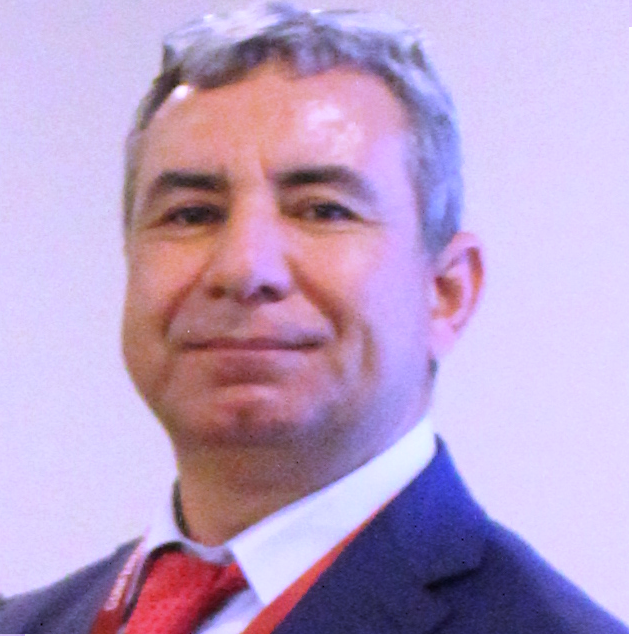
Prof. Dr. Bulent TOPCUOGLU

Prof.(Dr.) Rajesh Singh Tomar
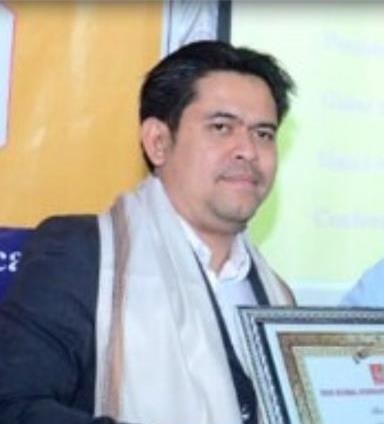
Tosaporn Mahamud.,Ph.D