VIENNA 4th World Congress on Organic Agriculture, Food Security & Water Treatment: OAFWT-27




+91 9781001229, +66 62 601 8051, +351 920 619 073
+91 9781001229, +66 62 601 8051, +351 920 619 073

Full Articles/ Reviews/ Shorts Papers/ Abstracts are welcomed in the following research fields:
1. Organic Agriculture
Soil Health & Nutrient Dynamics: Bio-fertilizers, composting, vermiculture, nitrogen fixation, and microbial soil ecosystems.
Pest & Disease Management: Biological controls, crop rotation, companion planting, and natural biopesticides.
Certification & Governance: Organic standard compliance, participatory guarantee systems, and seed sovereignty.
Agroecological Farming Methods: Permaculture, biodynamic farming, low-tillage practices, and agroforestry.
2. Food Security
Dimensions of Food Security: Availability, physical and economic access, utilization, and long-term stability.
Supply Chain Resilience: Cold chain infrastructure, food waste reduction, storage technologies, and distribution networks.
Climate Change Vulnerability: Drought impacts, yield instability, shifting growing zones, and crop heat tolerance.
Policy & Socioeconomic Factors: Subsidies, trade policies, food sovereignty, and poverty alleviation strategies.
3. Water Treatment
Purification & Filtration Technologies: Reverse osmosis, membrane filtration, activated carbon, and UV disinfection.
Wastewater Recycling & Reclamation: Industrial effluent treatment, greywater reuse, blackwater processing, and biological remediation.
Contaminant Removal: Heavy metal extraction, removal of microplastics, PFAS remediation, and pathogen elimination.
Water Infrastructure & Distribution: Desalination plants, municipal water grids, decentralised purification systems, and storm-water management.
1. Agricultural Runoff & Aquatic Ecosystem Health
Eutrophication Mitigation: Replacing synthetic fertilizers with organic inputs to reduce nitrate and phosphate leaching into local watersheds.
Bioremediation of Agricultural Discharge: Using constructed wetlands and bio-swales to naturally filter farming runoff before it enters freshwater sources.
Microbial Contamination Risks: Safely managing manure-based organic fertilizers to prevent E. coli and other pathogen contamination in groundwater systems.
2. Safe Wastewater Reuse for Crop Irrigation
Standards for Non-Potable Reuse: Treatment levels required to make reclaimed urban and industrial wastewater safe for organic food crops.
Removal of Emerging Pollutants: Eliminating pharmaceuticals, personal care products, and endocrine disruptors from irrigation water.
Salinity & Heavy Metal Accumulation: Long-term monitoring of soil degradation caused by irrigated treated wastewater.
3. Water-Smart Farming for Climate-Resilient Food Production
Rainwater Harvesting & Micro-Irrigation: Integrating drip irrigation and rainwater catchment to secure food production during seasonal droughts.
Soil Moisture Retention: Utilizing organic matter, biochar, and mulching to enhance soil water-holding capacity and lower irrigation demands.
Aquaponics & Closed-Loop Agriculture: Combining aquaculture (fish farming) with hydroponics to recycle nutrient-rich wastewater for organic plant growth.
4. Policy, Food Safety & Circular Resource Economy
Nutrient Recovery from Human Waste: Treating sewage sludge into safe biosolids (struvite, compost) to close the urban-rural nutrient loop for food security.
Global Water Safety Standards in Food Processing: Managing water quality parameters during post-harvest washing, transport, and processing to eliminate foodborne pathogens.
Resource Trade-Offs (Water-Energy-Food Nexus): Balancing the high energy costs of advanced water treatment against the water demands of agricultural output to achieve food security

Dr. Y. Thaweesak

Prof. Dr. Nuno Alexandre Soares Domingues

Prof. Dr. Kazuaki Maeda,

Assist. Prof. Dr. Hemantkumar P. Bulsara
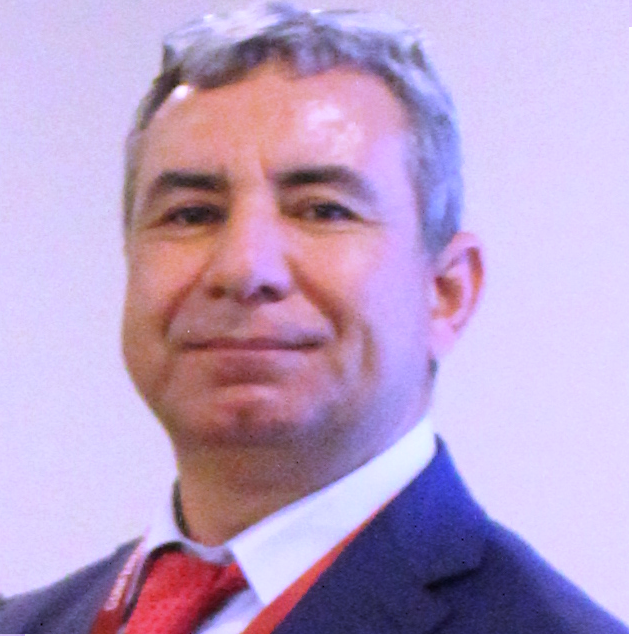
Prof. Dr. Bulent TOPCUOGLU

Prof.(Dr.) Rajesh Singh Tomar
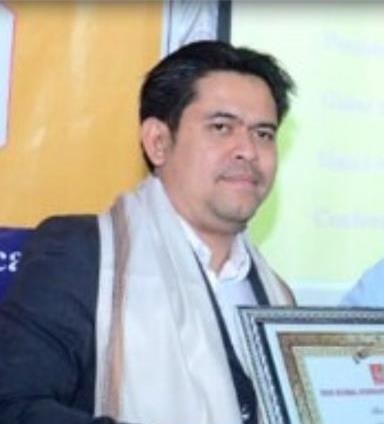
Tosaporn Mahamud.,Ph.D